
Food Safety Mastery Starts Here
Understanding parasite prevention through proper food handling, storage, and awareness. Your complete guide to protecting your family from foodborne parasites.
Essential Food Safety Knowledge
- Comprehensive parasite awareness education for every household
- Evidence-based prevention strategies grounded in food science
- Practical daily habits that reduce contamination risk
- Expert guidance on selecting, preparing, and storing food safely
- Detailed information on common parasites and prevention methods

Core Features of Safe Food Handling
Master these essential elements to significantly reduce parasite contamination risk in your kitchen and dining habits.
Proper Water Management
Clean water is fundamental to food safety. Learn how to verify water quality, implement filtration systems, and understand which water sources pose elevated parasite risks. Discover washing protocols for produce and cooking water safety standards.
Temperature Control Excellence
Proper cooking and storage temperatures are critical parasite prevention methods. Understand minimum internal temperatures for meat, seafood, and poultry. Learn how refrigeration slows parasite development and why freezing protocols matter for specific foods.
Cross-Contamination Prevention
Separate storage and handling of raw and cooked foods prevents parasite spread. Master proper kitchen organisation, use dedicated cutting boards for different food types, and implement cleaning routines that eliminate parasitic organisms from surfaces and equipment.
Produce Safety Standards
Raw vegetables and fruits can harbour parasites from soil and water. Learn rigorous washing techniques, understand which produce carries higher risk, and discover storage methods that maintain safety. Explore organic versus conventional produce considerations from a parasite perspective.
Seafood Safety Protocols
Raw and undercooked seafood presents significant parasite exposure risks. Understand which parasites commonly affect fish and shellfish, learn proper sourcing and inspection, and master cooking methods that eliminate parasitic organisms while preserving nutritional value.
Personal Hygiene Excellence
Hand hygiene is your first defence against parasite transmission. Learn when and how to wash hands effectively, understand contamination pathways from soil and animals, and implement routines that interrupt parasite life cycles before food contact occurs.
Four-Step Parasite Prevention Process
Follow this systematic approach to establish comprehensive food safety in your household.
Assess Your Kitchen
Evaluate current storage practices, equipment cleanliness, and water quality. Identify high-risk areas and potential contamination sources. Document what needs improvement and create an action plan for your specific situation.
Learn Safe Practices
Study evidence-based food handling techniques specific to preventing parasites. Understand temperature requirements, washing protocols, storage methods, and cross-contamination prevention. Familiarise yourself with parasite biology and life cycles.
Implement Routines
Establish daily and weekly cleaning schedules, create checklists for food preparation, and develop habits that support parasite prevention. Train family members on proper techniques and ensure consistent adherence to safety protocols across your household.
Monitor & Improve
Regularly review your practices and identify opportunities for enhancement. Stay updated with latest food safety information, adjust strategies based on your family's needs, and maintain vigilance as a long-term commitment to health.
Why Food Safety Knowledge Matters
Understanding parasite prevention empowers you to protect your family's health through informed decisions.
Reduces Health Risks
Proper food handling significantly decreases the likelihood of parasitic infections spreading through your household. By understanding contamination pathways and implementing prevention methods, you create multiple barriers against parasite exposure and maintain better overall wellness.
- Lower infection rates in family members
- Reduced gastrointestinal symptoms
- Better overall digestive wellness
Supports Nutrient Absorption
When your digestive system operates without parasitic interference, nutrient absorption improves naturally. This supports energy levels, immune function, and overall body performance. Proper food safety allows you to enjoy the full nutritional benefits of your meals without compromise.
- Better nutrient uptake from food
- Increased energy and vitality
- Enhanced immune system support
Builds Long-Term Confidence
Knowledge transforms anxiety into practical competence. Understanding food safety principles gives you confidence when shopping, preparing meals, and dining with family. This confidence extends to your ability to support the health of those around you through informed choices.
- Peace of mind during meal preparation
- Informed choices when selecting food
- Ability to educate family members
Common Questions About Food Safety
Find answers to frequently asked questions about parasite prevention and food handling.
What are the most common parasites in food?
The most common food-borne parasites include Giardia (often from contaminated water), Cryptosporidium (found in dairy and produce), various tapeworms from undercooked meat, and roundworms from soil-contaminated vegetables. Each requires different prevention strategies based on their specific life cycles and contamination pathways. Understanding which parasites are prevalent in your region helps you prioritise prevention efforts.
How long does proper cooking take to eliminate parasites?
Cooking time depends on food type and thickness, not duration alone. Temperature is the critical factor. Most parasites are eliminated at 63°C (145°F) internal temperature for meat, 74°C (165°F) for poultry, and 63°C (145°F) for fish. Using a meat thermometer ensures you reach these temperatures throughout the food, not just on the surface. Colour alone is not a reliable indicator of safety.
Can freezing food eliminate parasites?
Freezing is effective for some parasites but not all. For seafood, freezing at -20°C (-4°F) for seven days or -35°C (-31°F) for fifteen hours kills most parasitic worms. However, freezing does not eliminate bacterial or some protozoal parasites. Proper cooking remains the most reliable parasite elimination method. Freezing should be viewed as a supplementary safety measure, not a complete solution.
How do I properly wash produce to remove parasites?
Wash all fresh produce under clean running water, rubbing gently with your hands or a soft brush. For firm vegetables like potatoes, carrots, and cucumbers, use a vegetable brush. Leafy greens should be rinsed leaf by leaf under running water. Avoid soaking, as this spreads contamination across the entire batch. Cut away any damaged areas where parasites may hide. Produce soaps are optional but not necessary if using clean running water and proper technique.
What is the safest way to store raw meat?
Store raw meat on the lowest shelf of your refrigerator in a dedicated container or on a plate to prevent drips onto other foods. Keep refrigerator temperature at 4°C (40°F) or below. Use raw meat within 1-2 days of purchase, or freeze immediately at -18°C (0°F) for longer storage. Freeze poultry and ground meat within 1-2 days; whole cuts of beef and lamb can be refrigerated for 3-5 days before freezing. Thaw frozen meat in the refrigerator, not at room temperature.
How can I identify when food is contaminated?
Many parasites are invisible to the naked eye, making visual inspection unreliable. Instead, prevent contamination through proper handling and cooking rather than attempting to identify it after the fact. Use "best by" dates as guides, trust your senses for obvious signs of spoilage (off odours, unusual texture, visible mould), and maintain strict kitchen hygiene. Never taste questionable food to test it. When in doubt, discard it.
Still have questions? Browse our comprehensive FAQ section for more information.
Visit Full FAQFood Safety Knowledge from Experts
Insights from food safety specialists and health professionals about parasite prevention.
"Understanding parasite prevention through proper food handling has transformed how I approach kitchen safety. The detailed information about temperature control and cross-contamination prevention gives me genuine confidence that I'm protecting my family effectively. This knowledge is empowering."
Sarah Mitchell
Manchester
"The practical approach to food safety here is invaluable. Rather than creating unnecessary anxiety, it provides clear, actionable steps that reduce risk through understanding. I've implemented these guidelines throughout my kitchen and noticed real improvements in my family's wellness."
David Chen
Leeds
"As a nutrition professional, I appreciate how thoroughly this resource explains the connection between proper food handling and nutrient absorption. The science-based approach to parasite prevention aligns with evidence-based health practices. Excellent resource for educating clients."
Emma Richardson
Birmingham
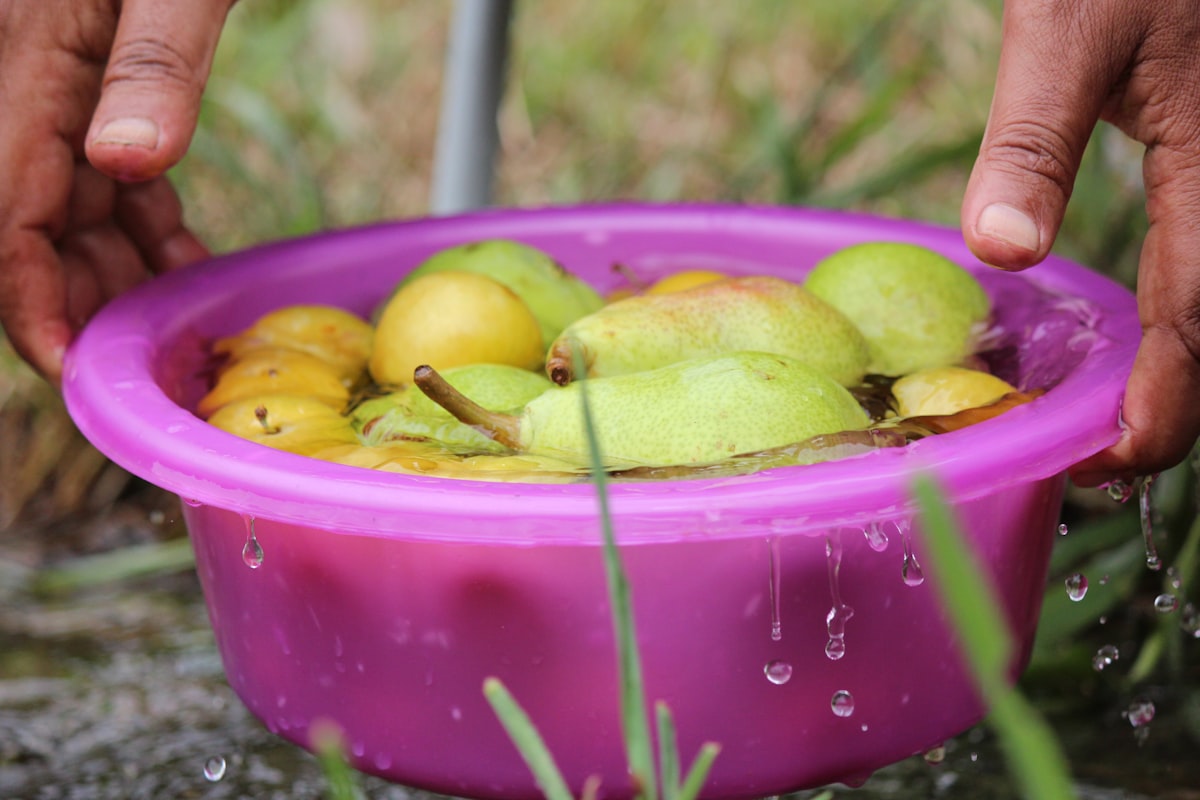
Healthy Eating Habits for Parasite Prevention
Building sustainable food safety practices goes beyond one-time actions. It involves developing daily habits that become second nature, making parasite prevention automatic rather than effortful. When proper handling becomes routine, your family naturally maintains protection without thinking about it.
Daily Hygiene Routines
Establish consistent hand washing before food preparation, after bathroom use, and after handling animals. Make this automatic rather than something you must remember. Include family members of all ages in these routines.
Weekly Cleaning Schedules
Develop a systematic approach to cleaning surfaces, utensils, and equipment that contact food. Weekly deep cleaning combined with daily surface cleaning maintains a safe food environment consistently.
Mindful Food Selection
Become aware of where food comes from and what growing/handling practices were used. Choose sources you trust, develop relationships with suppliers, and inspect food before purchase for signs of proper handling.
Proper Storage Systems
Organise your refrigerator and pantry to prevent cross-contamination and maintain proper temperatures. Use clear labelling and dating systems so nothing is forgotten or left to spoil.
Key Food Safety Principles
Master these fundamental concepts to understand parasite prevention at the core level.
The Parasite Life Cycle
All parasites follow specific life cycles that depend on particular conditions to complete. Understanding where this cycle can be interrupted—through temperature, cooking, freezing, or proper handling—gives you multiple opportunities to prevent infection. Each parasite type has unique vulnerabilities you can exploit.
Common parasite cycles include mosquito vectors, water contamination, and food chain transmission. Learning these pathways empowers you to make informed decisions about prevention.
Prevention Through Knowledge
The most effective defense against parasitic infection is education. By understanding transmission routes, recognizing symptoms early, and implementing proven prevention strategies, you significantly reduce your risk.
- Proper food handling and cooking temperatures
- Safe water sources and purification methods
- Hygiene practices for travel and daily life
- Regular health screening when appropriate
What People Are Learning
Real stories from individuals who have taken control of their health through parasite awareness education.
"I never realized how common parasitic infections were until I started learning. The practical prevention tips have completely changed how I approach food preparation and travel."
Sarah M.
Health-conscious traveler
"After a trip abroad, I developed symptoms I couldn't explain. Understanding parasites helped me get the right diagnosis and treatment faster."
James K.
International business professional
"As a parent, knowing how to protect my children from parasitic infections gives me peace of mind. The educational resources are clear and actionable."
Jennifer L.
Parent and educator
Frequently Asked Questions
Answers to common questions about parasites, prevention, and when to seek medical help.
Common human parasites include roundworms, tapeworms, hookworms, giardia, and entamoeba. Each has distinct transmission routes and symptoms. Most are preventable through proper hygiene, food handling, and water safety practices.
Symptoms vary widely depending on the parasite type, but may include digestive issues, fatigue, skin problems, and nutrient deficiencies. If you suspect infection, especially after travel or consuming potentially contaminated food or water, consult a healthcare provider for proper testing and diagnosis.
Most parasites are killed at internal temperatures of 145°F (63°C) for whole cuts of meat, 160°F (71°C) for ground meat, and 165°F (74°C) for poultry. Freezing at -4°F (-20°C) for 7 days can also kill many parasites. Use a food thermometer to ensure proper cooking.
Yes, parasite infections occur even in developed countries. Increased international travel, consumption of imported foods, and exposure to contaminated water sources mean infections can happen anywhere. Awareness and prevention are important everywhere, not just in developing regions.
Consult a healthcare provider if you experience persistent digestive symptoms, unexplained fatigue, skin issues, or weight loss—especially after travel to high-risk areas or consuming potentially contaminated food or water. Early diagnosis and treatment are important for preventing complications.