
Food Safety Starts Here — Protect Your Family
Learn how to identify food-borne parasite risks, implement safe food handling practices, and maintain a healthier home environment. Our comprehensive guide covers everything families need to know about preventing parasitic infections through informed eating habits.

Key Prevention Strategies
Master the essential practices that protect your family from parasite exposure through everyday food and hygiene routines.
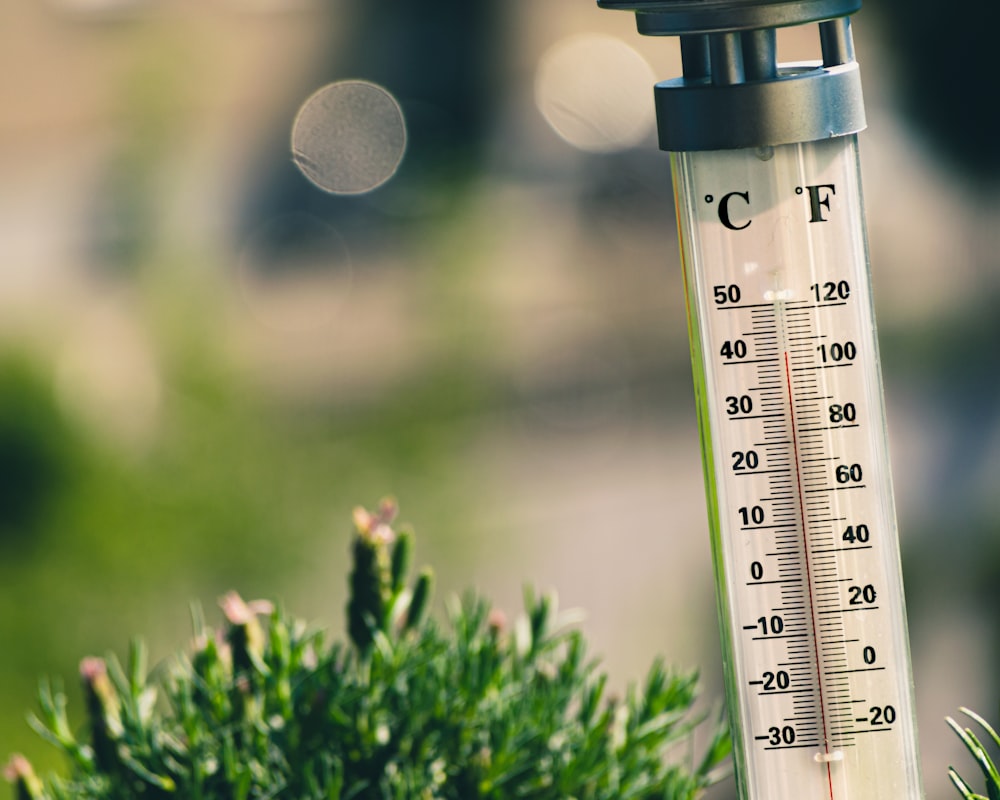
Proper Temperature Control
Cook meat to safe internal temperatures (71°C for poultry, 63°C for beef). Freeze fish at -20°C for at least 7 days to eliminate parasites. Proper cooking and freezing are your first line of defence.
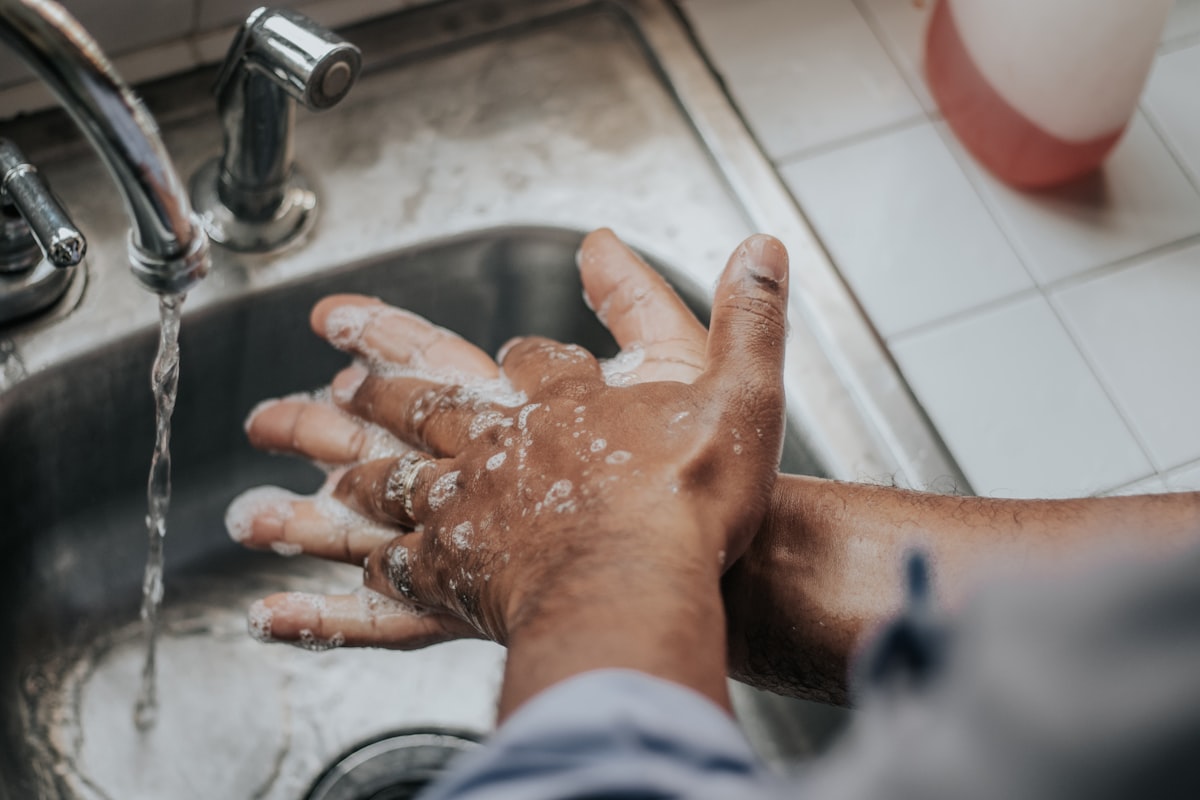
Hand & Surface Hygiene
Wash hands thoroughly before handling food and after using the toilet. Clean cutting boards and utensils with hot soapy water after contact with raw meat or produce. Cross-contamination is a major risk factor.
Water Purity
Use filtered or boiled water for drinking and food preparation, especially when travelling. Contaminated water is a common source of parasitic infection. Consider investing in a quality home water filter system.
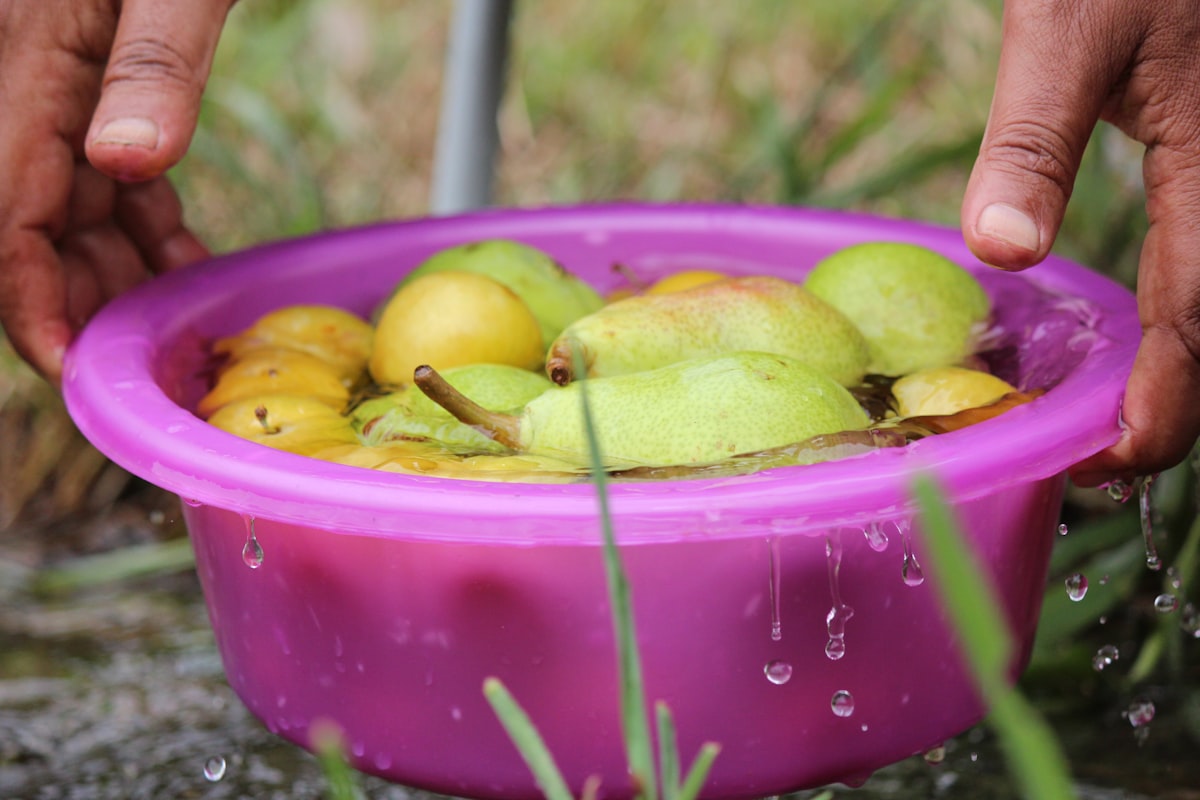
Thorough Produce Cleaning
Rinse all fruits and vegetables under running water, especially those eaten raw. Use a soft brush for root vegetables. Avoid washing with soap or bleach. Organic produce requires the same careful washing as conventional items.
Proper Food Storage
Keep raw meat separate from ready-to-eat foods. Refrigerate perishables promptly at 4°C or below. Follow the "first in, first out" principle. Discard visibly spoiled or outdated items immediately.
Reliable Food Sources
Purchase from established, reputable suppliers and markets. Verify that meat and fish come from regulated sources with proper handling protocols. Ask questions about food origin and storage conditions.
Why Trust Parasiteawareness
We provide evidence-based, practical guidance on parasite prevention rooted in established food safety principles and public health research.
Editorial Accuracy
Our content is researched and reviewed by food safety professionals to ensure reliability and relevance.
Practical Guidance
We translate complex food safety science into actionable steps families can implement immediately.
Transparent Approach
We clearly distinguish between established science and emerging research without exaggeration or unfounded claims.
Regular Updates
Our articles are continuously updated to reflect the latest food safety recommendations and public health insights.
Safe Food Storage Methods
Visual guide to proper food storage techniques that reduce parasite contamination risk and extend food freshness.

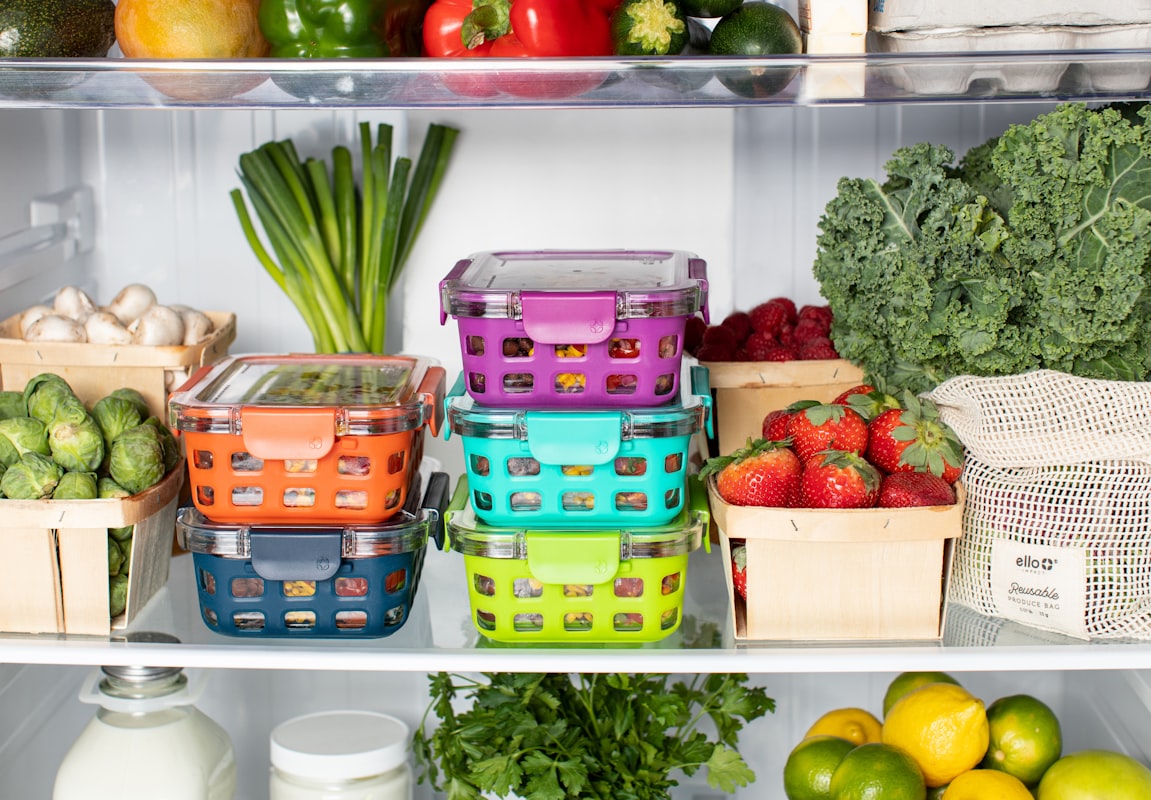
Refrigerator Organization
Store raw meat on lower shelves to prevent dripping onto ready-to-eat foods. Keep produce in designated drawers with proper humidity levels. Maintain temperature at 0-4°C and check regularly with a thermometer.
Freezer Storage Basics
Wrap items properly to prevent freezer burn and contamination. Label packages with contents and date. Maintain -18°C or below. Allow adequate air circulation by not overloading. Thaw safely in the refrigerator, never at room temperature.
Pantry Storage Guidelines
Keep dry goods in airtight containers in cool, dark places. Inspect packaging for signs of damage or pest entry. Store grains, legumes and flours in sealed containers with bay leaves to deter insects. Check expiration dates regularly.

Produce Storage Techniques
Store leafy greens in plastic bags with paper towels to absorb moisture. Keep root vegetables separate from fruits that emit ethylene gas. Store citrus at room temperature, berries in refrigerator uncovered. Use ethylene absorbers for longer freshness.
5-Step Prevention Process
Follow these essential steps to establish a comprehensive parasite prevention routine in your household.
Assess Your Current Practices
Review your household's current food handling, storage and preparation methods. Identify potential risk areas such as inadequate handwashing, improper meat storage, or unfiltered water use. Write down observations to guide your improvement plan.
Invest in Essential Equipment
Acquire tools that support better practices: a reliable kitchen thermometer, food storage containers, cutting boards, and consider a water filtration system. These investments pay dividends in food safety and family health support.
Implement Safe Food Practices
Begin applying prevention strategies consistently: proper handwashing before food prep, cooking meat to safe temperatures, separating raw and cooked items, and washing all produce. Start with one area and gradually expand across your kitchen routine.
Educate Family Members
Share knowledge with everyone in your household. Teach children about handwashing, explain why raw meat needs careful handling, and involve them in food safety decisions. Collective commitment strengthens prevention efforts across the entire family.
Monitor & Adapt Continuously
Regularly review your prevention practices and adjust based on new information or changing circumstances. Stay informed about food safety updates, check equipment functionality, and remain alert to emerging risks. Prevention is an ongoing commitment.
Real Stories from Families
Hear how families across the UK have implemented our food safety guidance to better protect their households.
"The articles on proper meat storage and cooking temperatures completely changed how our family approaches kitchen safety. We implemented the 5-step process and noticed a real difference in how fresh our food stays. My children now understand why handwashing matters before meals. This resource is genuinely helpful and easy to follow."
Sarah Mitchell
Manchester, UK
"As someone who regularly shops at farmers markets, I was concerned about produce safety but didn't know where to start. Parasiteawareness provided clear, practical advice without being alarmist. The washing techniques and storage tips are straightforward and have boosted my confidence. Highly informative and balanced approach."
James Chen
Bristol, UK
"I've got three kids and was overwhelmed by food safety information online. This site breaks it down into manageable steps without the fear-mongering. The visual guides for refrigerator organization and the FAQ section answered questions I didn't even know to ask. We've made several improvements to our kitchen routine."
Emma Rodriguez
Leeds, UK
"Working in hospitality, I appreciate evidence-based food safety information. The articles here are thorough, reference proper sources, and present information professionally. I've shared several pieces with my team. The content is educational without being sensationalized—exactly what we need."
Michael Thompson
Edinburgh, UK
Common Parasite Questions Answered
Find answers to the most frequently asked questions about food safety and parasite prevention.
Nutrition for Health Support
A balanced diet supports your body's natural defences and overall resilience. Learn which nutrients and healthy eating habits contribute to maintaining wellness in the context of food safety awareness.
Whole Foods Approach
Focus on whole foods rather than processed items. Fresh fruits, vegetables, whole grains, and quality proteins reduce exposure to preservatives and additives while providing optimal nutrition.
Hydration Habits
Maintain adequate hydration with clean, filtered water. Proper fluid intake supports digestive function and overall body systems that help maintain wellness.
Fibre-Rich Foods
Include plenty of dietary fibre from vegetables, fruits and whole grains. Fibre supports healthy digestion and contributes to maintaining good internal health.
Mindful Eating Practices
Take time to prepare and enjoy meals mindfully. Proper chewing and slower eating support better digestion and allow you to notice food quality and freshness.
Download Your Free Food Safety Checklist
Get a comprehensive, printable checklist covering all essential food safety practices for your household. Share it with family members and refer to it regularly as you implement prevention strategies.
Frequently Asked Questions
Get answers to common questions about parasitic infections and prevention.
What are the most common parasites affecting humans?
The most common parasites include roundworms, tapeworms, hookworms, and protozoa such as giardia and cryptosporidium. These can be transmitted through contaminated food, water, soil, or contact with infected individuals.
How can I prevent parasitic infections?
Prevention involves proper hygiene practices including washing hands regularly, drinking clean water, thoroughly cooking meat, avoiding raw or undercooked foods, and maintaining a clean living environment. When traveling to high-risk areas, additional precautions are recommended.
What symptoms should I watch for?
Common symptoms include unexplained weight loss, digestive issues, fatigue, skin irritation, and anemia. However, many parasitic infections are asymptomatic. If you experience persistent symptoms, consult a healthcare professional for proper diagnosis and testing.
Are parasitic infections treatable?
Yes, most parasitic infections are treatable with appropriate medication prescribed by a healthcare provider. Early diagnosis and treatment are essential for preventing complications and ensuring a full recovery. Never self-medicate without professional guidance.
Should I get tested for parasites?
If you've traveled to endemic areas, have unexplained symptoms, or have been exposed to contaminated environments, testing is recommended. Your healthcare provider can determine whether parasitic screening is appropriate based on your medical history and risk factors.
Ready to Take Action?
Protect yourself and your loved ones. Learn more about parasite prevention and get professional guidance today.